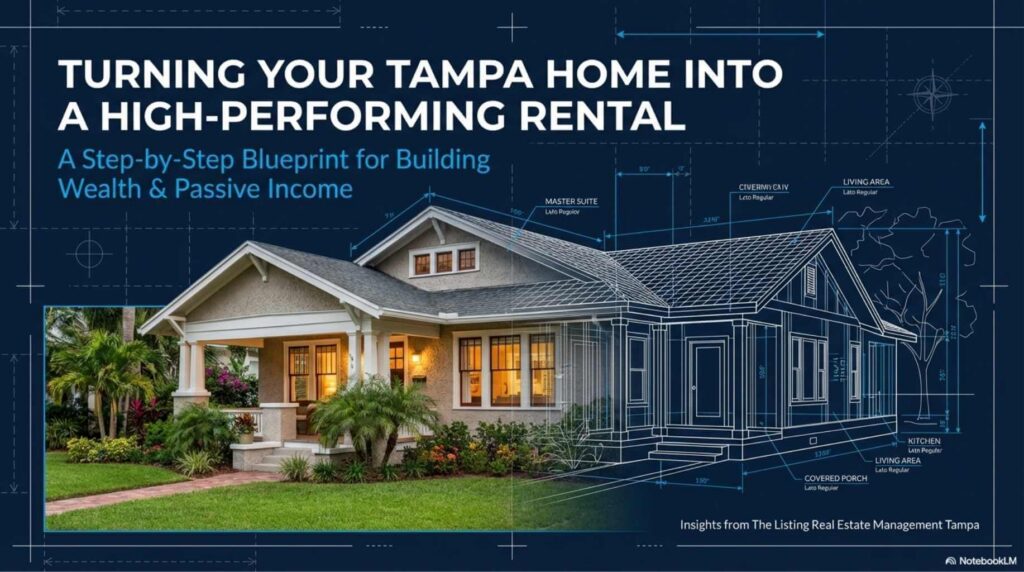
Turning your Tampa home into a long-term rental property can be one of the smartest ways to create a steady income, build wealth over time, and keep a great asset working for you, even if you’re no longer living in it.
Maybe you’re relocating for work, moving to a new home, holding onto a property you love, or you’ve realized Tampa Bay’s rental demand makes your current home a strong investment. Either way, converting your primary residence into a successful rental isn’t just “put it on Zillow and hope for the best.” The owners who win in the long term are the ones who treat it like a business from day one.
At The Listing Real Estate Management Tampa, we help Tampa Bay landlords and investors lease and manage single-family homes, townhomes, condos, and multi-family properties across the Tampa Bay & Greater Orlando areas. Below is the exact framework we use to help owners turn a personal home into a high-performing long-term rental property.
Why Tampa Bay is Great for Long-term Rentals
Tampa isn’t just a “hot rental market” headline. It’s a region with real renter demand driven by lifestyle, job growth, universities, healthcare, and constant relocation into the metro area.
Rental owners tend to do especially well when their rental is near:
- Major employment hubs (Downtown Tampa, Westshore, Midtown, USF area, medical corridors)
- Commuter routes (I-275, I-75, Selmon Expressway, Veterans)
- Lifestyle anchors (South Tampa, Seminole Heights, Wesley Chapel, Westchase, Carrollwood, New Tampa, Brandon, and Riverview.
- Pinellas demand pockets (St. Pete, Gateway, Largo, Seminole, Clearwater, and select Tampa Bay neighborhoods where long-term rentals remain strong)
If you price correctly and present the home well, Tampa Bay can be a very consistent long-term rental market.
A Real Tampa Property Management Success Story
One of the most common scenarios we see in the Tampa market looks like this:
A homeowner in Wesley Chapel is relocating out of state. Their current home has a great interest rate and strong rental demand in the neighborhood. Selling feels like giving up a solid, long-term asset, but keeping it feels risky because they’ve never been landlords before.
Once we walk them through the steps, such as realistic rent pricing, HOA requirements, insurance changes, rent-ready prep, and a solid tenant screening process, the decision usually becomes much easier. It stops being an emotional “should we sell it, or rent it?” question and turns into a straightforward risk-versus-return calculation.
STEP 1: Confirm You’re Allowed to Rent Out Your Home in Tampa Bay
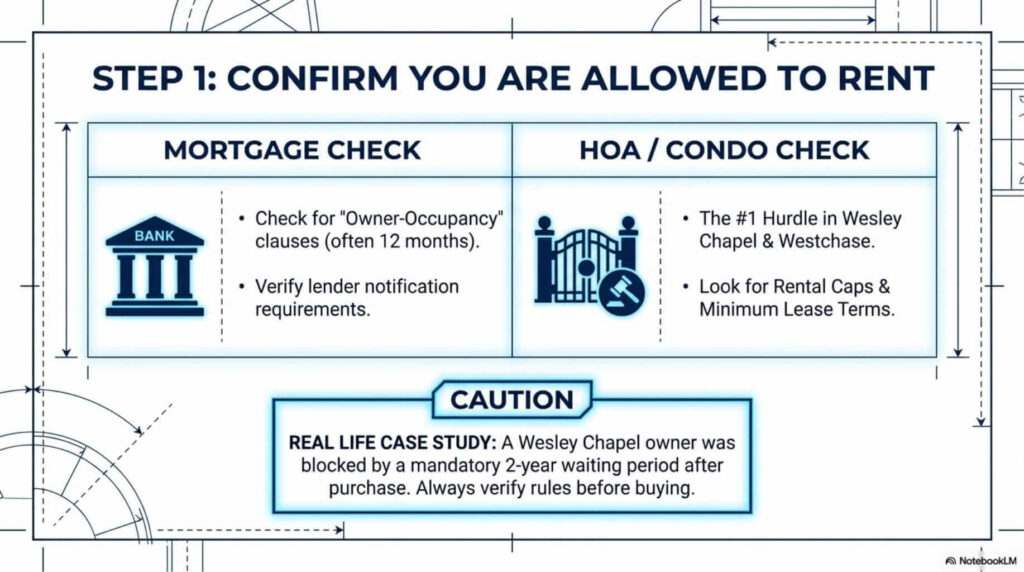
Before you spend any money on upgrades or start planning showings, make sure you’re actually allowed to rent the property. In Florida, the two most common issues are your mortgage terms and your HOA/condo association rules, both of which can impact your ability to rent your home.
Your Mortgage
A lot of homeowners in Florida don’t realize their loan may include requirements like:
- A minimum owner-occupancy period (often around 12 months, depending on the loan)
- Notifying the lender when converting the home from a primary residence to a rental
- Changing your insurance coverage once a tenant occupies the home
Most lenders allow long-term rentals, but you’ll want to check first to avoid accidentally violating your loan terms.
Your HOA or Condo Association (Big in Tampa Bay)
Tampa Bay has thousands of deed-restricted communities, especially in areas such as Wesley Chapel, New Tampa, Westchase, Carrollwood, Brandon, Riverview, and many Pinellas County condo communities. These associations often have rules such as:
- Rental caps (only a certain percentage of homes/units can be leased at a time)
- Minimum lease terms (commonly 6–12 months)
- Registration requirements (tenant info, vehicles, pet records, etc.)
- Application and screening rules (including background checks or approval processes)
Real Life Example:
We recently worked with an owner who purchased a townhome in the Wesley Chapel area with plans to rent it out right after closing. Once we contacted the community HOA, we discovered the HOA required a 2-year waiting period/owner-occupancy period before the home could be rented.
That one detail would have completely changed the owner’s timeline and rental investment strategy. It’s the perfect example of why you always want to verify the rules and regulations before buying a Tampa rental investment property and why having a local Tampa property management team review these details can save you from expensive surprises.
Step 2: Run the Numbers Like an Investor
A home can be “nice” and still be a bad long-term rental property if the math doesn’t work. Before you do anything, build a simple monthly pro-forma that includes:
- mortgage
- property taxes
- HOA/condo dues (if applicable)
- landlord insurance
- lawn/pest service (common in Florida rentals)
- Routine maintenance costs
- Vacancy costs
- Property management fees (if you won’t self-manage)
Then compare those costs to realistic market rent in Tampa Bay (based on true comparable rentals that have leased within your immediate area, not active listings that haven’t leased yet).
Local Case Study: A Duplex in Riverview, FL
The owner wasn’t sure his Riverview duplex would actually make sense as a long-term rental. He had never managed a rental property before and was currently living in one unit, using the other as a short-term Airbnb rental. After we reviewed the numbers and rental comps, the opportunity was a lot clearer:
- Total monthly expenses: $2,250
- Market rent: $1,500 per unit ($3,000 total)
- Estimated net cash flow: $750/month
Once both units were leased within weeks to high-quality long-term tenants, the property began producing consistent cash flow. At the same time, the owner also benefited from ongoing appreciation and mortgage paydown.
Step 3: Switch to Landlord Insurance
Once a tenant occupies the home, your standard homeowner’s policy usually won’t cover you the same way. You’ll need a DP-2 Policy (landlord/dwelling policy) that aligns with long-term rental use. Owners typically want coverage for:
- liability (very important)
- loss of rent (often available as an add-on)
- tenant-caused damage (varies by carrier and endorsements)
- hurricane/wind and water-related considerations (common Tampa Bay conversations)
If you have a pool, older roof, or older plumbing/electrical, don’t assume coverage will be simple. Get ahead of it early so insurance doesn’t delay your investment timeline.
Step 4: Get Your Tampa Home in Rent-Ready Condition
Getting your Tampa-area home ready for renters is one of the best ways to protect your property and attract residents who will take good care of it.
Ensure your Tampa rental property is in rent-ready condition by conducting the following:
- Ensure the home meets Florida and Hillsborough County safety requirements.
- Test all smoke alarms to ensure they work properly.
- Check that all door and window locks are secure and functioning.
- Service the HVAC system and verify it cools effectively for Tampa’s long summer season.
- Complete any overdue repairs and deferred maintenance.
- Repaint worn or scuffed walls using neutral, renter-friendly colors.
- Cleanliness is KEY (Professional Deep Clean)
- Clean and test all appliances to confirm they operate correctly
- Inspect fixtures and finishes to ensure everything is clean, presentable, and working properly.
- First impressions matter, so keep the exterior clean and well-maintained with a tidy yard, trimmed landscaping, and fresh-looking surfaces before showings.
Helpful Tips From Our Expert Tampa Property Managers
Spending about $500 to $1,000 on small updates like interior painting, better lighting, and basic yard cleanup often supports a rent increase of around $75 to $150 per month.
One of our rental-owner clients in St. Pete boosted her annual cash flow by about $850 after repainting the entire interior of the property before renting it.
Step 5: Advertise Your Long-term Tampa Rental Property

Tampa is a super competitive rental market. The homes that lease quickly usually have three things in common:
- Accurate rental pricing
- Professional marketing
- A description that sells the lifestyle and location
- The home is show-ready (in rent-ready condition)
Mention what Tampa renters actually care about:
- commute access (I-275/I-75/Selmon/Veterans)
- proximity to Downtown, Westshore, Midtown, USF, or St. Pete
- schools (carefully and compliantly, avoid “good/bad” language)
- parking, storage, fenced yard, pet friendliness
- updated kitchens/baths, laundry, smart home features
Then list your rental property on all the major rental platforms, such as Zillow and Realtor.com, to reach the masses.
STEP 6: Screen Tampa Tenants Thoroughly
Tenant screening is one of the MOST important steps for protecting your Tampa rental investment property, yet it is also where many self-managing landlords make avoidable mistakes. Cutting corners on tenant screening can lead to late payments, costly repairs, and long vacancy periods. A strong tenant screening process should include:
- Credit History Verification: Check credit score, payment patterns, collections, bankruptcies, and overall financial responsibility.
- Income and Employment Verification: Confirm steady, verifiable income of at least 2.5 to 3 times the monthly rent and verify current employment and job stability.
- Background Check: Run a criminal background check while following Fair Housing guidelines and Florida requirements.
- Rental History Verification: Speak with prior landlords to learn how the applicant cared for the home and whether rent was paid on time. This is one of the most important steps to confirm and reconfirm.
- Nationwide Eviction Search: Look for prior eviction filings in Florida and across the country.
- Application Accuracy/Consistency: Ensure the information provided matches the supporting documents and is complete and accurate.
Real Life Story:
A self-managing rental owner in Brandon contacted us after dealing with roughly $18,000 in unpaid rent and extensive property damage.
He decided to handle leasing and management on his own to save money, but he skipped a thorough screening process and approved tenants who were not qualified. After moving in, rent payments stopped, the eviction process became unavoidable, and the property sustained significant damage.
After that experience, he hired us as his professional Tampa property management provider, and since then, his rental property has generated consistent rental income with no issues.
STEP 7: Use a Legally Compliant Florida Lease
Before renting out your Tampa rental property, make sure you have a strong Florida lease agreement in place. The lease should comply with Florida Statutes Chapter 83 and clearly spell out the rent amount and due dates, security deposit terms, maintenance responsibilities, occupancy limits, and any home-specific rules that apply to the property.
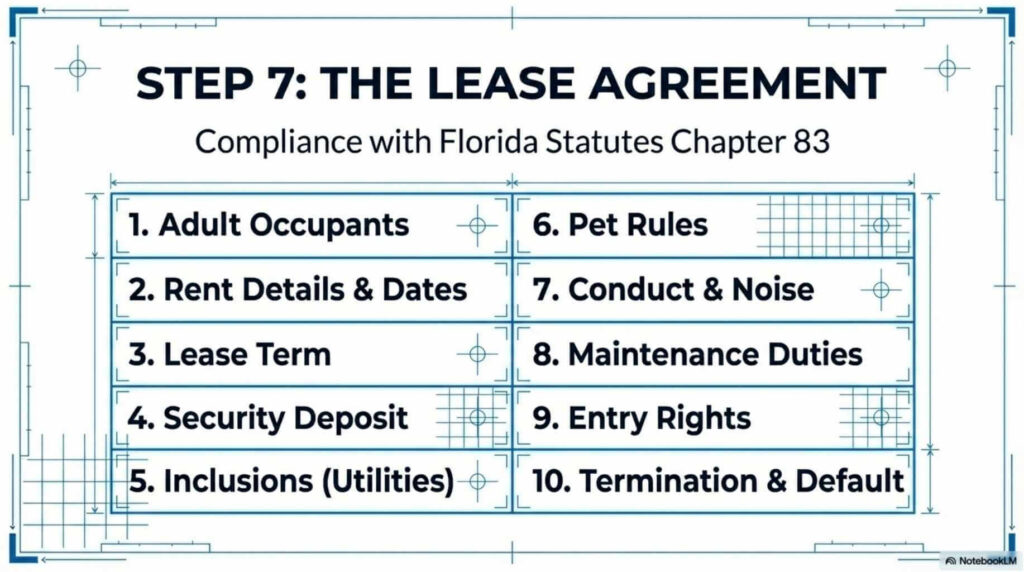
Here are 10 KEY TERMS every Tampa lease should include:
- All adult occupants listed: Include every tenant age 18 or older, and require each to sign to ensure responsibility is clear.
- Rental rate details: State the monthly rent, due date, accepted payment methods, where payments are made, and any late fee terms.
- Lease term dates: Confirm the move-in date, the lease end date, and what happens at renewal or at the end of the term.
- Security deposit terms: Note the deposit total, how it will be held, and when and why deductions may be taken.
- What rent includes: Spell out which utilities, services, and appliances are provided and what the resident must handle.
- Pet rules: Explain if pets are allowed, any limits, required fees or deposits, and consequences for unauthorized animals.
- Property use and conduct: Set expectations for noise, smoking, illegal activity, guest policies, and any addenda tied to the home or community.
- Maintenance and repairs: Define who is responsible for routine upkeep, how repair requests are handled, who is responsible for damage, and the limits on alterations.
- Owner’s right to enter: Describe access for inspections, repairs, and showings, including notice requirements and permitted reasons for entry.
- Early termination and default: Outline fees, timelines, and tenant obligations if the lease is broken early or rent is not paid.
STEP 8: Decide Whether to Self-Manage or Hire a Professional Property Manager in Tampa
Choosing between managing your rental property yourself or hiring a local Tampa property manager is a big decision that affects both your bottom line and your day-to-day schedule. Use the guide below to determine which route best fits your needs.
Self-manage your Tampa rental if you:
- Want direct involvement and hands-on control
- Own one rental home or a small number of properties and plan to keep it that way.
- Live in the Tampa Bay area and can get to the property quickly when issues arise.
- Have the time to handle showings, questions, rent collection, maintenance calls, and vendor scheduling.
- Understand Florida landlord-tenant laws and Fair Housing rules.
- Prefer to keep costs down and avoid property management fees.
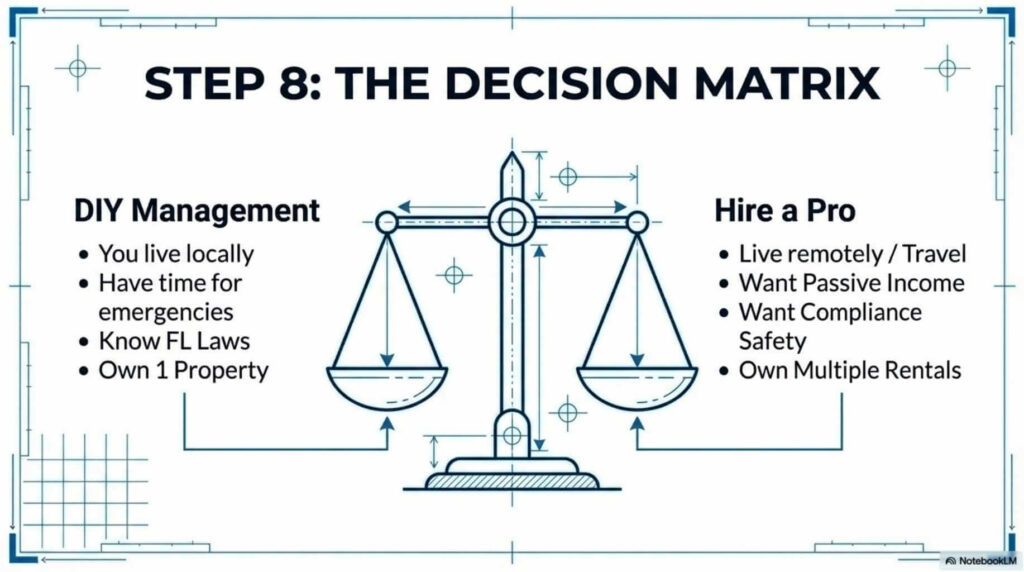
Hire a professional Tampa property manager if you:
- Own multiple rentals or want to expand your portfolio.
- Live outside the Tampa Bay area or travel often.
- Do not have the time to manage leasing, screening, and daily tenant needs
- Want help staying compliant with Florida law and local requirements?
- Need strong marketing to reduce vacancy and find qualified renters fast.
- Want after-hours maintenance coordination and emergency response coverage.
- Prefer consistent rent collection and clear enforcement of lease terms.
- Value peace of mind while protecting your property and your time
- Want truly passive income
Hiring a professional Tampa property manager can improve consistency, reduce risk, and make rental ownership far less demanding.
Expert Tampa property manager insight: Madison Greenlee
“As a professional property manager serving Tampa Bay, I see owners get the best results when they are honest about their schedule, availability, and comfort level with tenant issues. If your goal is to protect your home, reduce stress, and grow a rental portfolio over time, working with a local property manager usually delivers better long-term outcomes than trying to handle everything yourself.”
Turning Your Tampa Home Into a Rental Can Be a Smart Move
Renting out your home can be a strong financial strategy in the Tampa rental market. Many owners use a rental property to generate reliable monthly income while building long-term wealth through equity and appreciation. Done correctly, renting your home can provide both near-term cash flow, tax benefits, and financial stability down the road.
Benefits of turning your Tampa home into a rental property include:
- Monthly rental income in a strong Tampa Bay rental market
- Long-term equity growth and appreciation
- Tax advantages, including deductions for eligible repairs and tax depreciation
- Flexibility to keep the property as a long-term hold or sell later
Want Professional Tampa Property Management Guidance?
Converting your Tampa home into a successful rental takes planning, time, and experience. From getting the property ready and pricing it correctly to marketing, screening, lease compliance, and daily management, each step matters when you are trying to protect your investment and maximize returns.
Working with a Tampa-focused property management company like The Listing Tampa gives you local expertise, proven processes, and hands-on support designed to reduce risk, shorten vacancy time, and simplify ownership. Contact us today to learn more or to get a FREE Rental Price Analysis for your Tampa bay area home.